





Access & Scaffolds
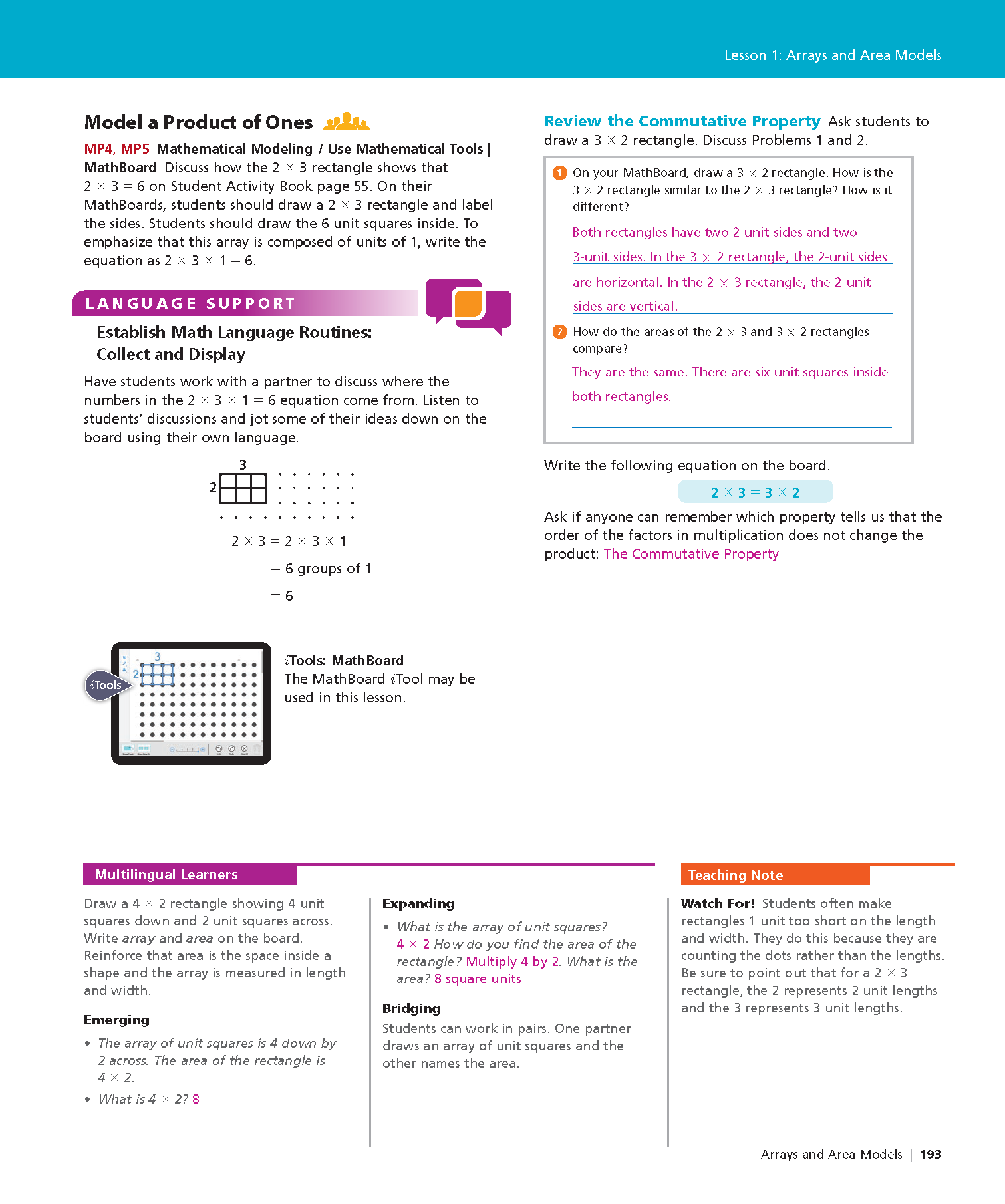
In California Math Expressions, the Teacher Edition front matter introduces Universal Design for Learning as part of the program’s approach to access, and lessons include UDL-aligned practices such as visual models, manipulatives, multiple representations, and varied ways for students to engage with mathematical ideas. Math Language Routines, language supports, and guidance connected to relevant ELD proficiency levels further support Multilingual Learners as they participate in mathematical discussions and lessons.

Open Tasks
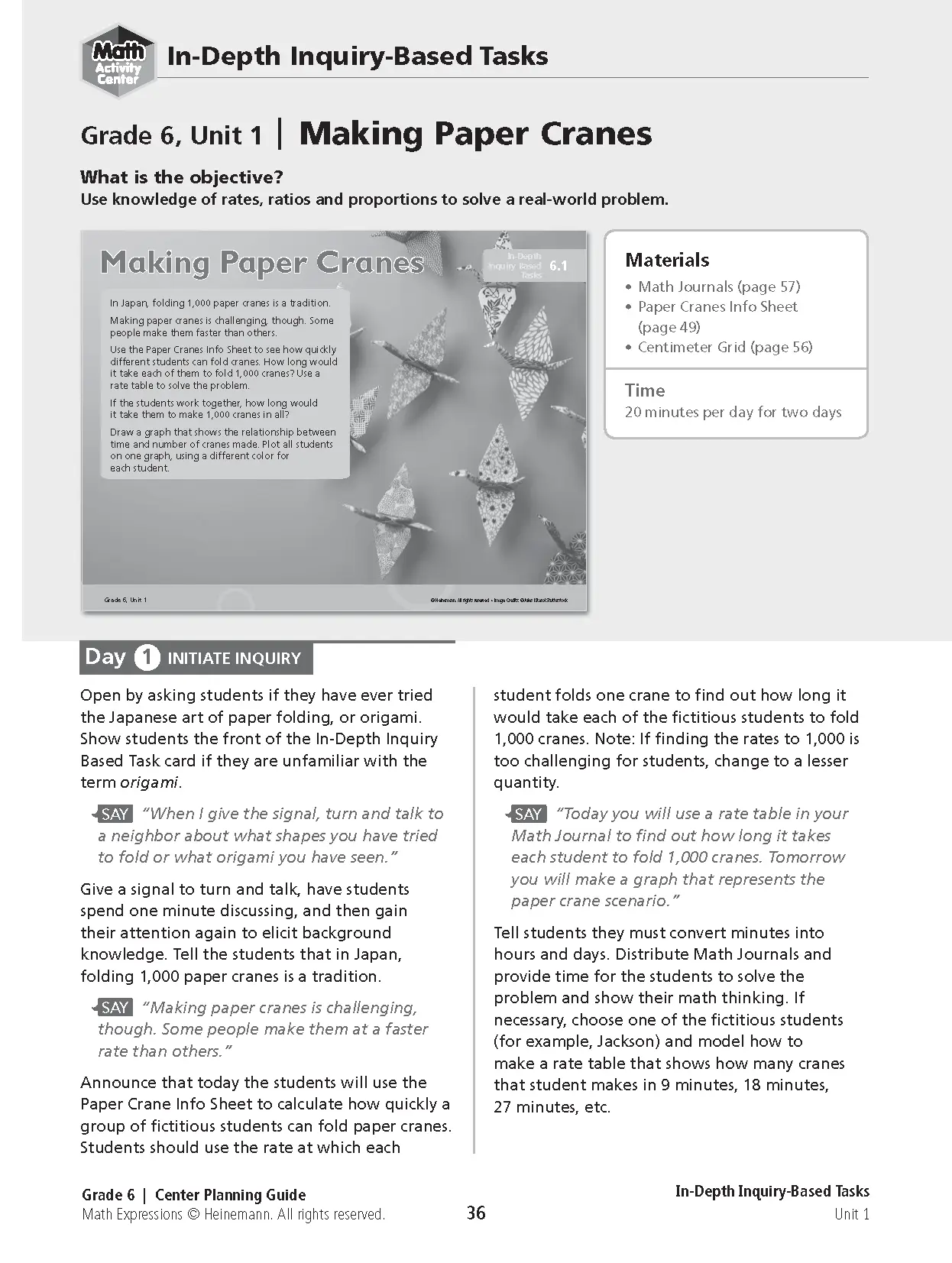
California Math Expressions develops students’ mathematical understanding through a guided inquiry process that unfolds across activities and lessons. Math Talk, contextual problems, and other models surface student thinking and support discussion of different approaches. As concepts develop, teachers help students compare and organize strategies before connecting them to more formal and efficient methods. This progression gives students opportunities to explain their reasoning and make connections among representations, strategies, and procedures.

Assessment Tools
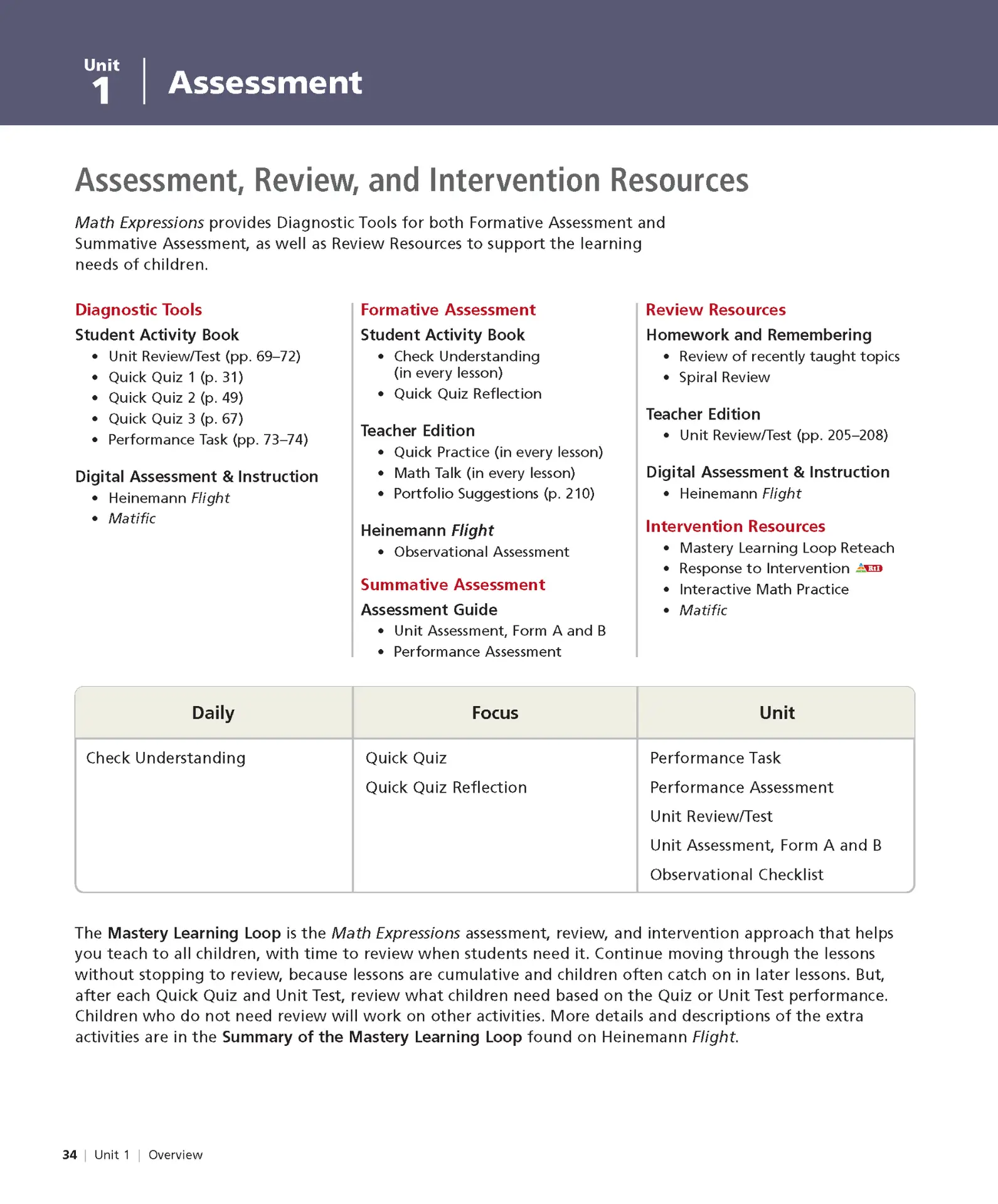
In California Math Expressions, assessment is embedded throughout instruction and is closely connected to intervention, review, and instructional decision-making. Teachers are provided with multiple opportunities to gather evidence of student thinking during lessons and across units, using that information to determine when students are ready to move forward and when additional support is needed.

Teacher Planning & Knowledge
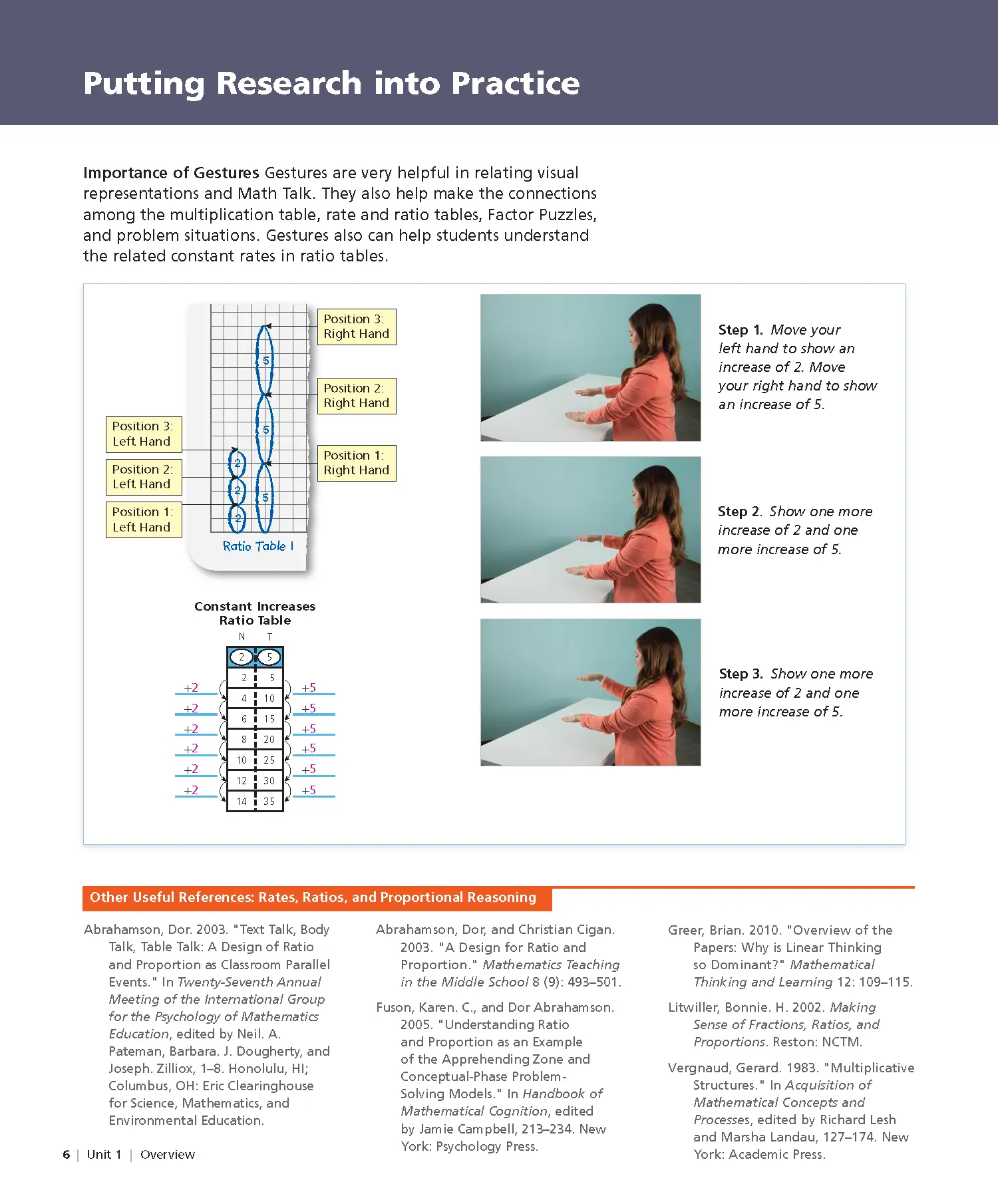
California Math Expression materials are designed to be educative in nature, with Mathematical Background notes, anticipated student strategies and misconceptions, Math Talk guidance, questioning prompts, and explanations of models and representations embedded throughout the Teacher Edition. Heinemann Flight extends this support through professional learning resources, including Facilitating Math Talk with Math Expressions, the Math Library, and implementation resources. Teachers draw on these supports while making decisions about pacing, lesson preparation, and which print and digital resources to use during instruction.

Lesson structure
Across the units and lessons reviewed, teacher guidance often plays a significant role in determining the mathematical work students complete. In several examples, key mathematical generalizations, representations, or expected conclusions were introduced through teacher guidance before students had opportunities to independently formulate those ideas.

Breadth of tools
Standards for Mathematical Practice and Math Language Routines are identified throughout the materials, but reviewers found examples in which the activity did not fully reflect the intent of the named practice or routine. In some cases, the label suggested a level of student reasoning, language production, or revision that was not evident in the instructional sequence. Because these labels may influence both implementation and teachers’ understanding of the practices and routines themselves, district teams should examine multiple examples across grade levels and evaluate the underlying student experience.